Articles by Joseph Dombrowski

Tool steel

How to Choose the Right Grade of Tool Steel

Using tool steel in manufacturing or construction is a common practice, but tool steels are not all the same. With various tool steel grades available, choosing the correct one can either make or break your production process.

Understanding each type of tool steel is pivotal for any project. Performance over price. Machinability over toughness. Safety over everything else. Looking at the various uses and adaptations to specific applications also helps.

Choosing the right grade of tool steel can be tricky without the right knowledge. It requires learning about its properties to select the appropriate grade. Luckily, the pros at Pennsylvania Steel have created this how-to guide to make your next discussion with tool steel distributors easier.

Identifying the Types of Tool Steel Used

Often, projects choose tool steel based on specific mechanical properties, such as:

  • Abrasion resistance
  • Tensile strength
  • Wear resistance

The range of tool steel grades includes types optimized for different uses—cutting, pressing, or molding materials.

Determining its usage is the first step in selecting the right grade of tool steel. Let’s review the different types of tool steel available. 

  • Cold-work tool steel: Commonly used for applications involving shaping materials at or near room temperature. These steels resist wear and high abrasions excellently. Ideal for manufacturing dies, cutting blades, and stamping tools. Common grades are A, D, and O.

  • Hot-work tool steel: Designed to withstand elevated temperatures and thermal cycling. Regularly used in die casting and hot gorging. H13 is one of the popular grades. It offers a balance between toughness and thermal fatigue resistance.

  • Water-hardened tool steel: Economical and suitable for applications requiring mid-level wear resistance and hardness. Typically used in frequently-sharpened tools (chisels, cutters), but not suitable for high temperatures. Known as W-grade steels, they harden upon quenching in water.

  • High-speed tool steel: Common for cutting operations like drilling, milling, and turning. They stay hard and can cut even at elevated temperatures. Grades include HSS, M, and T.

  • Shock-resistant tool steel: Made for high-impact applications (chisels, hammers), designed to absorb shock without chipping. Grades S1, S5, and S7 are common.

  • Plastic mold: Specially formulated for machining and polishing to make molds for plastics. It has good machinability, but is unsuitable for high temperatures. It’s also known as P-grade steel.

  • Special purpose: These are unique alloys tailored for specific applications or properties. Generally, it consists of two grades, L and F. L-grade steels are magnetic and often used in dies. Meanwhile, many usually use F-grade steels for unique properties like ease of machining.

Tool steel grades

Selecting the Right Tool Steel Grade

How do you maximize performance and longevity in the applications of tool steel? Choose the right grade. The tool steel grades define their properties and intended uses. Then, there are factors influencing the correct grade to choose.

Durability in Different Environments

Consider the tool steel’s durability in different conditions—abrasion, corrosion, and general wear. Then, consider the working environment and temperature where you will process the steel. Anticipate things like plastic deformation potential. This will ensure your chosen grade offers the needed stability and tool life.

Chemical Compositions

The tool steel’s chemical composition may also influence your selection. Factors like carbon content and alloying elements (e.g., chromium) influence its mechanical properties, which in turn contribute to its durability and longevity. 

Performance Requirements

Determining what’s required of the tool steel you’ll be working with is crucial. For example, some tool steels are more difficult to machine than others. A2 or O1 grades are easier to machine, while tougher ones like D2 may need carbide tooling. Before you choose, figure out how and what you are going to use them for.

Certification and Standards

This is not a necessity. However, checking the certification and standards of tool steel grades contributes to safety. Certifications ensure the material meets the industry benchmarks for critical properties like chemical composition and hardness.

ASTM or ISO have standards for the proper classification of tool steel grades. This will help maintain quality and performance across different batches of tool steel.

Cost and Availability

Cost and availability matter. More common grades are likely cheaper and more readily available. They’re preferable for large-scale or frequent operations. Yet, specialized tool steels may be more expensive and less accessible. Your budget, in the end, will balance all the aspects you need to consider in selecting the right grade.

Supplier Selection

This relates to availability. Evaluate your supplier’s performance when choosing the right tool steel grade. Trustworthy distributors, like Pennsylvania Steel, offer a wide range of tool steels. They increase the chance of finding a material fitting your project’s specific needs. They will also meet certification and standard requirements. Moreover, reliable tool steel distributors can offer quality assurance and suitability for various applications.

Get the Right Tool Steel Advice from PA Steel

The primary use of tool steel will influence your selection of the right tool steel grade. The following factors you must consider are chemical compositions, durability, performance requirements, and certifications and standards. Finally, your budget and availability will be the deciding factor. 

PA Steel is available in many locations throughout the Eastern US. We offer metal products just as comprehensively as any Ohio steel company. Need help choosing the right tool steel grade? Turn to us! Visit PA Steel and get a quote for your tool steel.

waterjet method of cutting through steel

How to Cut Steel Plate

Cutting through a material as strong as plate steel requires specialized machinery and training. The appropriate technique for a job depends on the project’s budget, specifications, and production schedule. The pros at Pennsylvania Steel Co. prioritize these specific needs to ensure only high-quality results and 100% customer satisfaction. In this guide, they cover the primary methods and safety tips to know when planning how to cut steel plate.

4 Main Methods for Cutting Steel Plate 

Those wondering how to cut steel plate and achieve the desired result while avoiding injury must consider the significant differences between each technique. Most fabricators cut steel plates using one of four primary methods:

1. Oxy Fuel Flame Cutting

  • Process: cuts through plate using an oxygen-fueled flame
  • Primary Function: for cutting ferrous materials as little as ¼ inch thick, but typically sheets greater than 1 inch thick
  • Quality of Cut: generates some slag, but the surface is relatively smooth
  • Speed: somewhat slow of a process
  • Equipment: oxy-fuel torch, fuel, and oxygen
  • Cost: most affordable

2. Plasma Cutting

  • Process: a conductive stream of heated gas produced by a plasma torch cuts the plate 
  • Primary Function: for cutting thinner sheets anywhere from ¼ inch to 1 ½ inches
  • Quality of Cut: results in smooth edges when cutting within the recommended range
  • Speed: fastest method
  • Equipment: plasma torch, water cooler, power supply, fuel, gas control, torch leads
  • Cost: moderately expensive

3. Laser Cutting

  • Process: a chemical reaction between iron and oxygen creates a fine laser beam that cuts through the metal plate
  • Primary Function: usually for processing plates less than 1 inch thick
  • Quality of Cut: capable of precise, square edges and small holes
  • Speed: somewhat slow, but can be automated to a degree
  • Equipment: laser cutter
  • Cost: very expensive

4. Waterjet Cutting

  • Process: uses a high-pressure stream of water to cut through metal plates
  • Primary Function: for processing thicker metal plates up to 6-8 inches thick
  • Quality of Cut: produces a smooth and accurate edge
  • Speed: can be slow
  • Equipment: waterjet, abrasive substance
  • Cost: very expensive

four main methods of cutting steel comparison chart infographic

How to Choose the Best Way to Cut Steel

Most sheet steel and plate steel requires a specific process for safe and effective cutting. So what is the best way to cut steel materials for your project?

Identifying the Proper Technique for Cutting Steel

As we know, manufacturers supply different steel varieties with varying properties. These attributes include thickness, corrosion resistance, heat resistance, grade, and reflection. Makers must consider the following properties when determining how to cut through steel for their project.

Attributes to Consider 

  • Thickness – How thick or thin is the steel plate material? Oxy fuel flame cutting can process plates up to 12 inches in thickness. Conversely, laser cutting is the typical choice for very thin plates.
  • Precision – How precise of a cut is needed? Waterjet cutting results in a precise edge, while laser cutting is effective for creating small holes.
  • Edge Quality – How clean does the edge need to be? Many steel plates require secondary processing for refining corners and edges. Plasma or laser cutting usually produces clean edges that don’t require further processing.
  • Material Properties – How corrosive, conductive, or reflective is the plate you’re cutting? For example, most manufacturers prefer plasma cutting for more corrosion-resistant materials, and laser cutting can be challenging with reflective materials.
  • Efficiency vs Cost – While laster cutting is more precise than oxy fuel flame cutting, it’s must more expensive. While you may have an ideal output in mind, consider what budget you have to work with against the cost of equipment.

Expert Tips for How to Cut Metal Safely

Properly and safely cutting steel plates requires adequate preparation and methodology. Safety is always the priority despite the chosen cutting method. Below, Pennsylvania Steel Company offers a few tips for how to cut steel responsibly:

Wear the proper PPE.

Gloves, eye protection, masks, and headgear are just a few basic examples of Personal Protective Equipment (PPE) necessary when cutting steel and other metal materials. Regardless of the selected cutting method, every project requires adequate PPE free of holes or tears. 

Practice proper tool etiquette and safety.

Tools make our jobs more manageable, but only when utilized properly. Make sure you’re using tools intended for the job you’re using them for. Only use tools for which you’ve received training in full, and ask for assistance from a superior when needed. You should also follow standard practices for sufficiently maintaining tools and replacing or repairing components when necessary.

Keep the work area clear.

Avoid tripping and other safety hazards by clearing the immediate work area of any clutter. Keeping tools and materials organized and out of the way ensures a productive workspace for everyone.

Prepare for emergencies.

Before you get started, take a moment to prepare should the worst happen. Ensure that you have a fire extinguisher and first aid kit on hand. Make sure someone is available to provide help should you injure yourself or have an accident.

pennsylvania steel company supplies metal plates and steel sheeting east coast usa

Turn to Pennsylvania Steel Company for Steel Plate Supply & Processing 

After browsing the various cutting steel plate methods, weigh which techniques are most appropriate for your project’s scope. Generally, the best way to cut steel is the safest method. Our experienced metal distributors employ decades of industry knowledge to ensure our customers receive only premium metal supplies and services. 

From North Carolina to New York, Pennsylvania Steel Company provides top-notch metals to fabricators and manufacturers at our New England/New York, Pennsylvania, the Southeast, and Ohio steel warehouses. Contact the sheet plate distributors at Pennsylvania Steel Company today for fast delivery options for your steel plate project.

Alloy steel rolls

Alloy Steel vs Stainless Steel: Which Is Better for Your Project?

The choice you make between alloy steel and stainless steel for your project is critical. If you are unsure of which one is better, you’re not alone. Deciding between alloy and stainless steel can be tricky. Fortunately, help is available.

Pennsylvania Steel is one of the top distributors of metal products in the Eastern US. Today, we’re sharing factors to help you consider the alloy vs stainless steel options.

Metal Properties

Alloy and stainless steel have different properties. With a clear understanding of these properties, you can pick out a steel product that’ll help you achieve your desired project results. 

Properties of Alloy Steel

Alloy steel’s properties include:

  • Strength
  • Toughness
  • Corrosion resistance
  • Resistance to wear and tear

Alloy steel is iron-based, with at least one element (alloys) mixed in. Elements help increase the steel’s properties, like hardness or corrosion resistance. They can make up 1-50% of the steel’s composition. 

Properties of Stainless Steel

Alternatively, stainless steel is iron-based. It contains a minimum of 10% chromium that, when it’s exposed to oxygen, creates a protective film. Along with this, stainless steel maintains its strength, even in extremely high or low temperatures. It also is easy to clean and doesn’t support the growth of bacteria.

Stainless steel components

Steel Types

There is no such thing as one-size-fits-all steel. Learn about the types of alloy and stainless steel as you evaluate steel options for your project. 

Types of Alloy Steel

Alloy steel can be made up of many elements, including:

  • Chromium: Hardens the metal.
  • Manganese: Makes the metal less brittle. 
  • Nickel: Improves the metal’s corrosion resistance. 
  • Tungsten: Increases the metal’s resistance to heat. 

Both high- and low-alloy steel are available. High-alloy steel contains many elements. Comparatively, low-alloy steel usually has 1-5% of alloying elements. 

Types of Stainless Steel

Stainless steel can be combined with elements, including:

  • Carbon: Makes the metal durable. 
  • Chromium: Improves the metal’s corrosion resistance. 
  • Nickel: Increases the metal’s ductility and formability. 

The main categories of stainless steel are:

  • Austenitic: Contains chromium and is often used in items that are corrosion-resistant. 
  • Ferritic: Has a low nickel content compared to other types of stainless steel and is intended for use in items that can be hardened via cold forming.
  • Martensitic: Has a high carbon content and high tensile strength.
  • Duplex: Includes equal parts of austenite and ferrite.
  • Precipitation-Hardening: Consists of chromium, nickel, and other elements that can form a precipitate. 

Grades

Grades are used to classify steel based on use case. They account for the chemical composition, treatment, and mechanical qualities of steel, helping you choose the right product for your application.

Grades of Alloy Steel

4140 and 4150 are two common alloy steel grades. Consisting of roughly .95% chromium and .20% molybdenum, these are low-cost and general-purpose.

Among fee-machining alloy bars, 41L40 is the most common grade. This contains .4% carbon and up to .35% lead. 

For case hardening alloys, 8620 is common. It consists of .55% nickel, .5% chromium, and .25% molybdenum. 

A high-alloy steel, 4340, consists of 1.8% nickel, .8% chromium, and .25% molybdenum. Its most common use is the manufacturing of parts operating under duress. 

Grades of Stainless Steel

Stainless steel grades include:

  • 301: Consists of chromium and nickel. 
  • 302: Contains a high carbon level, making it resistant to solvents, chemicals, and acids. 
  • 303: Has corrosive-resistant properties and offers a great option for machinability. 
  • 316: Has a high tensile strength.
  • 321: Includes titanium to protect against corrosion and high temperatures.

Stainless steel kitchen tools

Applications

Just because you use alloy or stainless steel during your project doesn’t mean you’ll get the results you want. Choose alloy or stainless steel that has everything you need to accomplish the project results you want. 

Alloy Steel Applications 

You can forge alloy steel into bars, coils, and other shapes. Along with this, this steel can be used in many ways, including the construction of:

  • Car parts
  • Bridges 
  • Boilers
  • Turbines
  • Nuclear reactors
  • Pipelines 
  • Drilling equipment
  • Hand tools

Stainless Steel Applications

Stainless steel uses include:

  • Dental and surgical instruments 
  • Operating tables
  • Kitchen accessories and cookware
  • Aircraft 
  • Gas turbines
  • Vehicle components

Should You Use Alloy or Stainless Steel for Your Project? 

It depends. Alloy steel is the way to go if you need a metal that’s strong, corrosion-resistant, affordable, and easy to use. For a durable, versatile, and low-maintenance alternative, choose stainless over alloy steel. 

Here are steel factors to consider as you choose between alloy or stainless varieties.

Alloy Steel vs Stainless Steel

Tensile Strength

This is a measurement of the steel’s ability to deal with tensile stress before it breaks. Alloy steel tends to have a higher tensile strength versus stainless steel. 

Corrosion Resistance

Stainless steel is more resistant to corrosion than alloy steel. However, stainless steel can still rust if exposed to some conditions, like excessive heat or chemicals.

Hardness

Alloy steel has a Brinwell hardness ranging between 200HB and 600HB. Stainless steel’s Brinwell hardness falls between 150HB and 300HB.

Ductility

Alloy steel has a higher ductility than stainless steel. This makes alloy a better option if you need to reshape metal. 

Impact Resistance

Go with alloy if you need steel that offers outstanding impact resistance, as stainless steel is more likely than alloy to break if it’s exposed to shock or impact. 

Fatigue Strength

This refers to a metal’s ability to resist stress based on a number of cycles. Most stainless steel products have a lower fatigue strength in contrast to alloy steel ones.

Cost

Alloy steel tends to be more affordable than stainless steel. The prices of both fluctuate based on supply and demand and other factors. With any project, it’s never a good idea to compromise quality for price on steel. If you do, you risk purchasing steel products that put your project in danger. 

Want Help as You Choose Between Alloy and Stainless Steel?

One of the top steel companies in Cleveland, Ohio and other areas of the Eastern US, Pennsylvania Steel Co. is happy to help you find the right alloy and stainless steel products for your project. 

We’re an alloy and stainless steel distributor that proudly serves clients in many parts of the United States, including:

  • Ohio
  • Pennsylvania 
  • Richmond, Virginia
  • Charlotte, North Carolina
  • New England 
  • Long Island

Our friendly, knowledgeable team will teach you about our alloy and stainless steel products. We’ll help you choose products that’ll serve you well long into the future. 

Find a PA Steel location near you for alloy steel or stainless steel.

Pennsylvania Steel Company acquires Besco Steel Supply

Pennsylvania Steel Company acquires leading steel supply company in Birmingham, Alabama

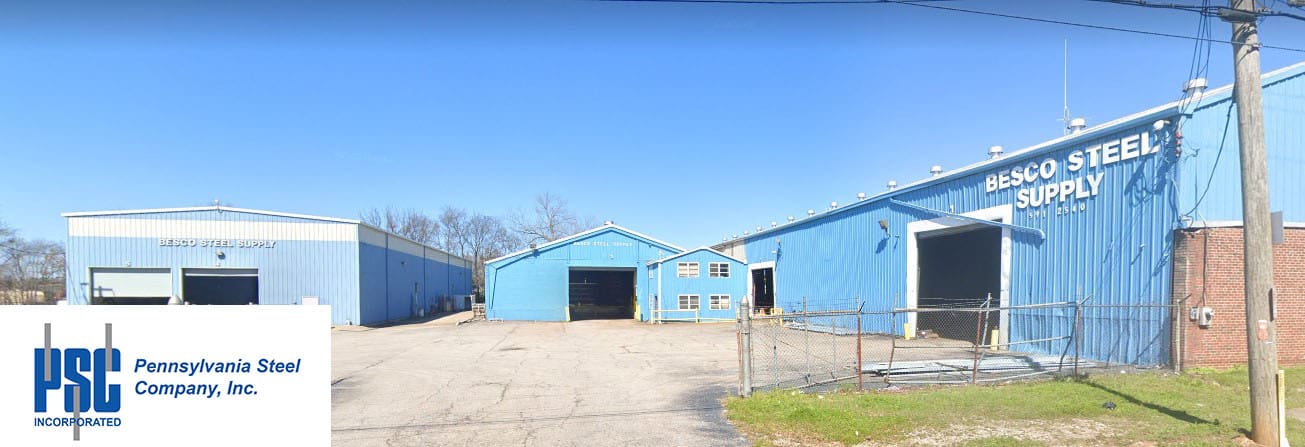
Bensalem, PA – 08/26/2024 – Pennsylvania Steel Company Inc., a leading Steel Service Center, is pleased to announce the acquisition of Besco Steel Supply, a steel service center based in Birmingham, Alabama.

For over 30 years, Besco Steel Supply has built a reputation for excellence, and forging strong, lasting relationships with its customers. This acquisition marks a significant milestone in PA Steel’s growth strategy, further solidifying our position as a leader in the Steel Service Center Industry and expanding our reach in the Southeastern United States.

Birmingham’s New Leadership

Hale Nelson started in the Metal Industry in 2006 and worked successfully in Inside Sales, Outside Sales, & both Operations & Sales Management, and was an award winning District General Manager of three locations in the Southeast. Prior to joining Pennsylvania Steel, Hale was a Regional Director of Operations in the Construction Supply Industry.  Hale holds a Bachelor of Science in Business Administration from the University of Tennessee at Chattanooga.

Click HERE for a PDF version of this press release.

Pennsylvania Steel Company Inc. is proud to be a Veteran-Owned Company since 1972 & remains dedicated to delivering exceptional value to our customers & employees.

variety steel alloy bars for metal processing

Differences Between Alloy and Carbon Steel

The vast differences between metal types make the variety you use for a project significant. For example, steel skyscraper construction metals require much more strength than the delicate metals used in producing jewelry.

How can fabricators accurately determine the appropriate steel type? Alloy steel and carbon steel possess specific properties and capabilities to function in different roles. Pennsylvania Steel Co. specializes in steel processing techniques and how to pick a suitable metal for the job. We provide top-quality metals for various East Coast locations with warehouses in Pennsylvania, New York, Connecticut, the Southeast, and Ohio. Below, we outline the significant characteristic differences between alloy steel and carbon steel.

What is Alloy Steel?

The phrase “alloy steel” is a blanket term to describe the resulting product from mixing metal elements. Common alloying elements include but are not limited to:

  • Silicon
  • Chromium
  • Boron
  • Nickel
  • Aluminum
  • Cobalt
  • Tungsten

The addition of particular alloys affects the steel’s hardness, toughness, wear resistance, heat resistance, and tensile strength.

Types of Alloy Steel

Varying combinations of alloy metals result in different physical properties and characteristics. These combinations fall into one of two general categories:

  • High-Alloy Steel: contains a high percentage of other alloying elements (most commonly: stainless steel, which is approximately 12% chromium)
  • Low-Alloy Steel: contains a lower percentage (1%-5%) of alloying elements, making it generally less costly to use

Uses & Applications

Metalworkers use alloy steel as a manufacturing material in assorted industries, including mining, aerospace, automotive, and railroads. Industrial demand for alloy steel is high, as you can customize its alloying features for diverse structural needs. Its machinability makes it a desirable material for transportation infrastructure and other construction purposes.

metal processing steel alloys showing heat resistance

What is Carbon Steel?

Put simply, carbon steel is an alloy (mixture) of carbon and iron. The high amount of carbon (ranging from 0.25%-1.25%) in this type of steel makes it incredibly durable and versatile, depending on the specific percentage of carbon.

Types of Carbon Steel

Carbon steel is prevalent and diverse in its applications. In general, carbon steel falls into one of three categories:

  • Low-Carbon Steel (>0.25%): the most widely-used variety of carbon steel that is particularly ductile and welds easily
  • Medium-Carbon Steel (0.25%-0.6%): slightly stronger due to higher manganese concentration (0.6%-1.65%)
  • High-Carbon Steel (0.6%-1.25%): high wear resistance and very low elasticity, with a manganese concentration ranging from 0.3%-0.9%

Typically, this type of steel becomes more challenging to work with as the carbon percentage increases. For this reason, high-carbon steel often has more specialized applications, including springs, wires, and knives.

Uses & Applications

Like alloy steel, carbon steel is useful in numerous industries, especially in the chemical, oil, and gas sectors. Carbon steel’s advanced, versatile strength makes it ideal for pipes, pressure vessels, cutting tools, and even weaponry.

Comparing Alloy Steel vs. Carbon Steel

Chart comparing the characteristics of alloy steel vs carbon steel

Is carbon steel strong? Is alloy steel stronger than high-carbon steel? These answers depend on what you mean by “strong.” The list of attributes below expands on specific comparisons between steel types, including overall strength.

Chemical Composition

As previously mentioned, carbon steel contains mainly two elements: carbon and iron. Any other present alloys are usually regarded as impurities. On the other hand, alloying of additional components (manganese, nickel, chromium, etc.) in alloy steel alters the chemical properties and limits of the resulting metal.

Strength

Overall, fabricators regard carbon steel as having higher strength than alloy steel. In other words, carbon steel can withstand significant pressure but doesn’t bend easily. Alloying metal variations adjust tensile strength.

Hardness

Carbon steel owes its superior strength to being harder than alloy steel. However, higher carbon content decreases ductility and weldability, making this steel type slightly more challenging to work with.

Melting Point

In general, alloy steel’s additional elements give it a higher melting point than carbon steel.

Malleability

Steel becomes less malleable as you add more alloying metals. Therefore, the lack of variation in carbon steel’s composition allows for better malleability than steel alloys.

Weldability

Alloy steel is difficult to weld and prone to cracking, giving carbon steel higher weldability. However, the prior allows for adjustment of certain alloying elements to help streamline heat treatment.

Corrosion Resistance

Alloy steels have higher corrosion resistance than carbon steel, meaning they deteriorate (rust) at a slower rate.

Cost

The price of carbon steel varies and depends on the metal’s carbon content. As the carbon percentage increases, so does the price. Additionally, alloy steel is often costly due to varying amounts of alloying elements.

Quality Alloy and Carbon Steel from Pennsylvania Steel Co.

Only premium metal materials can craft superior construction projects. The experts at Pennsylvania Steel proudly supply leading manufacturers in numerous sectors throughout the U.S., from Charlotte, NC to our Cleveland steel warehouses. If you need alloy or carbon steel for your next project, request a quote from the Pennsylvania Steel Company Inc. team today.

Close up of hands cutting metal

5 Easy Metal Cutting Methods

Metal cutting may be easier than you think. With the right metal cutting tools, the process is simple.

Before you get started, evaluate the metal cutting methods and tools available. Here are questions to consider as you assess metal cutting methods and tools:

  • Are you cutting, resizing, or drilling holes in metal?
  • Are you contouring or smoothing metal? 
  • How much money do you have to spend?
  • What materials are you using?
  • What experience do you have with cutting metal? 

Once you know how to cut metal, you can do just about anything you want with it. Here are five of the easiest metal cutting methods and tools and how to choose the best ones for your project.

1. Magnetic Drill

Closeup of a person using a magnetic drill to cut metal

This portable, lightweight tool lets you drill holes in iron, steel, and other metals. It has a magnetic base, so you attach to it a ferromagnetic surface. This reduces vibrations and helps you precisely cut metal horizontally, vertically, or directly above you. 

A magnetic drill works with an annular cutter, twist drill, and other tools. It gives you the flexibility to use it for construction and many other applications. 

2. Hacksaw

Closeup of a hacksaw cutting metal

This hand tool consists of a fine-tooth saw commonly used to cut metal pipes, rods, and brackets. It’s a terrific option for someone who’s never cut metal before, since all you have to do is pick it up and start sawing. 

A hacksaw may be less accurate than many other metal cutting tools. You may have to go back to trim the edges of the metal you cut with a hacksaw, too. 

Hacksaws have blades you can change out depending on the application. Check the blade before you use a hacksaw. If you have a wood-cutting blade in place when you’re trying to saw through metal, you’ll damage the blade.

3. Angle Grinder

Angle grinder cutting metal

Trust this tool to cut soft and hard metals. Designed for speed and accuracy, an angle grinder lets you quickly and cleanly cut through metal pipes and sheets.

Angle grinders are incredibly versatile. Auto body shops, plumbers, and many others use them to cut metal at precise angles. Switch out the grinding or cutting disc, and you can use your grinder to remove paint from a car, cut ceramic tiles, and much more. 

Since kickback is sometimes an issue with angle grinders, we recommend mounting your grinder with a side support handle. That way, if the blade buckles, you can still evenly cut your metal. 

4. Tin Snips

Tin snips sitting next to cut metal

Use this tool to manually cut sheet metal, with straight or curved cuts. Tin snips look remarkably similar to scissors. On close examination, you may see that the jaws of tin snips are shorter and more compact than those of scissors. Also, they typically have long handles. This helps you exert plenty of leverage to cut metal.

In all likelihood, you won’t have to spend a lot on tin snips. But they may wear down easily.

5. Plasma Cutter

Plasma cutter metal cutting method

For fast, clean, and powerful metal cutting, this tool is ideal. A cutter uses plasma to melt, then blow away metal. It works well with aluminum, stainless steel, and many other metals.

If you’ve never used a plasma cutter before, read the instructions. You’ll need to set its amperage and gas flow based on the metal you’re cutting and its thickness. As you cut, move the torch carefully. At the same time, you’ll want to keep the cutter the same distance away from your metal as you cut. This helps you protect against dross or slag. 

Other Factors You’ll Want to Consider

To select the right tool, consider the thickness of your metal. If your metal is too thick for your tool, you could damage the metal, tool, or both.

To protect against flames, sparks, and other metal cutting hazards, wear a face mask, gloves, and other safety equipment. Stay away from any metal pieces you cut until they’re completely cooled down, too.

When cutting metal, be cautious, pay attention to the details, and take your time. This will help you cut correctly without any delays or disruptions. 

For those who aren’t sure about how to use a particular metal cutting method or tool, get help. There’s no need to risk making a mistake that could cost you time and money. On top of that, any mistake you make could put you and anyone close by in danger. 

Partner with a steel distributor to access metal cutting services, skills, and expertise. By doing so, you’ll be able to make informed decisions about metal cutting methods, tools, and much more.

Want Extra Help?

Pennsylvania Steel Company is one of the leading steel companies in Ohio, New England, Long Island, and other parts of the United States. We know the ins and outs of metal cutting methods and tools. Our team is here to help you with bar sawing, aluminum plate sawing, and other metal cutting services. Contact PA Steel for metal supplies and services near you.

The Difference Between Cold-Finished and Hot-Rolled Steel

Business owners and makers have thousands of steel varieties on the market to choose from. With such an array of metal options, selecting the correct type, grade, and finish of your building material can be tedious. Pennsylvania Steel Co. offers a vast assortment of premium steel products in Pennsylvania, Ohio, the Southeast, and New England. Plus, our online resources help our clients build the best projects possible.

Today, we’re breaking down hot rolled vs cold rolled steel to help you understand which is better for your application.

Steel Manufacturing, Summarized

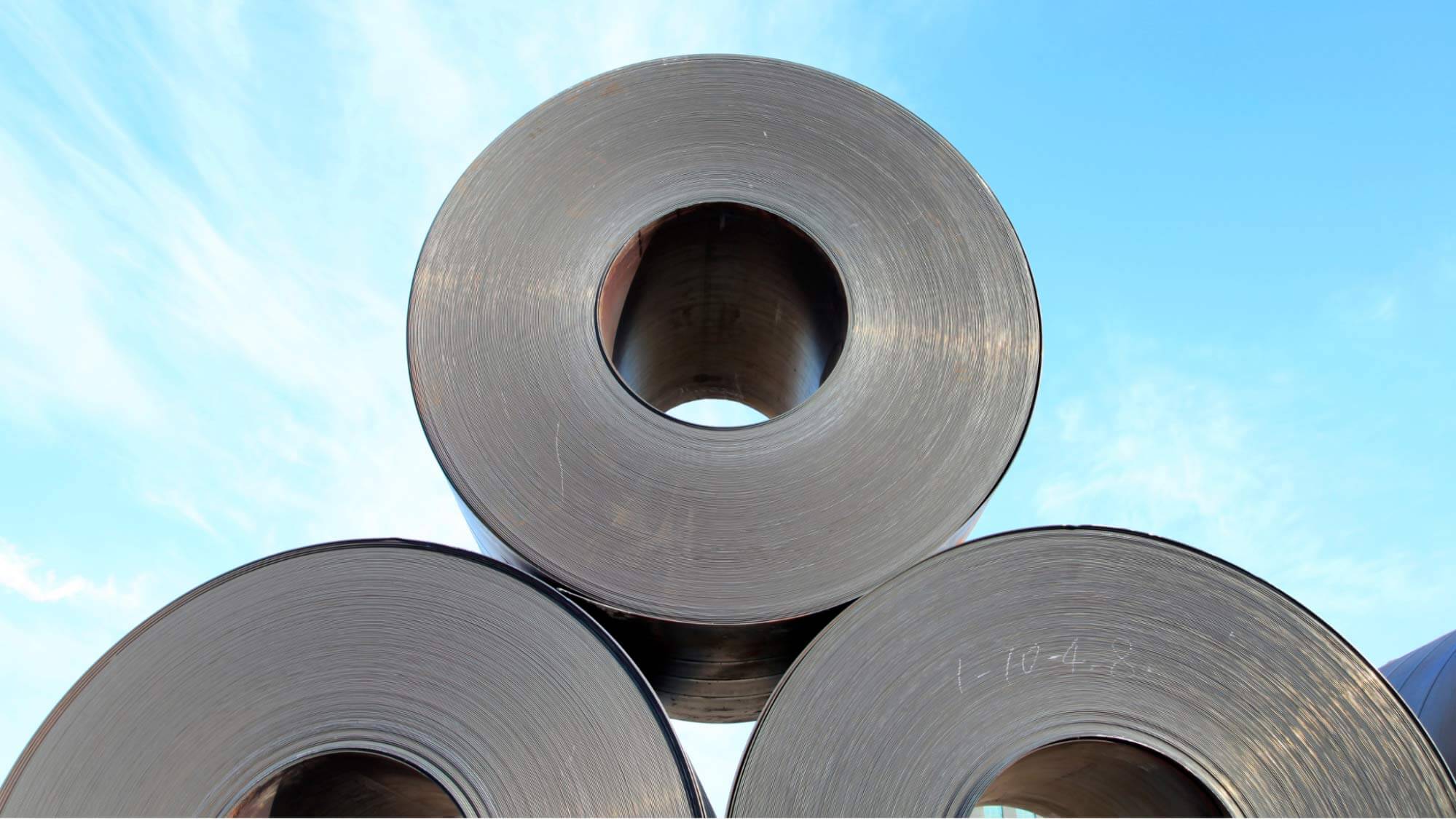
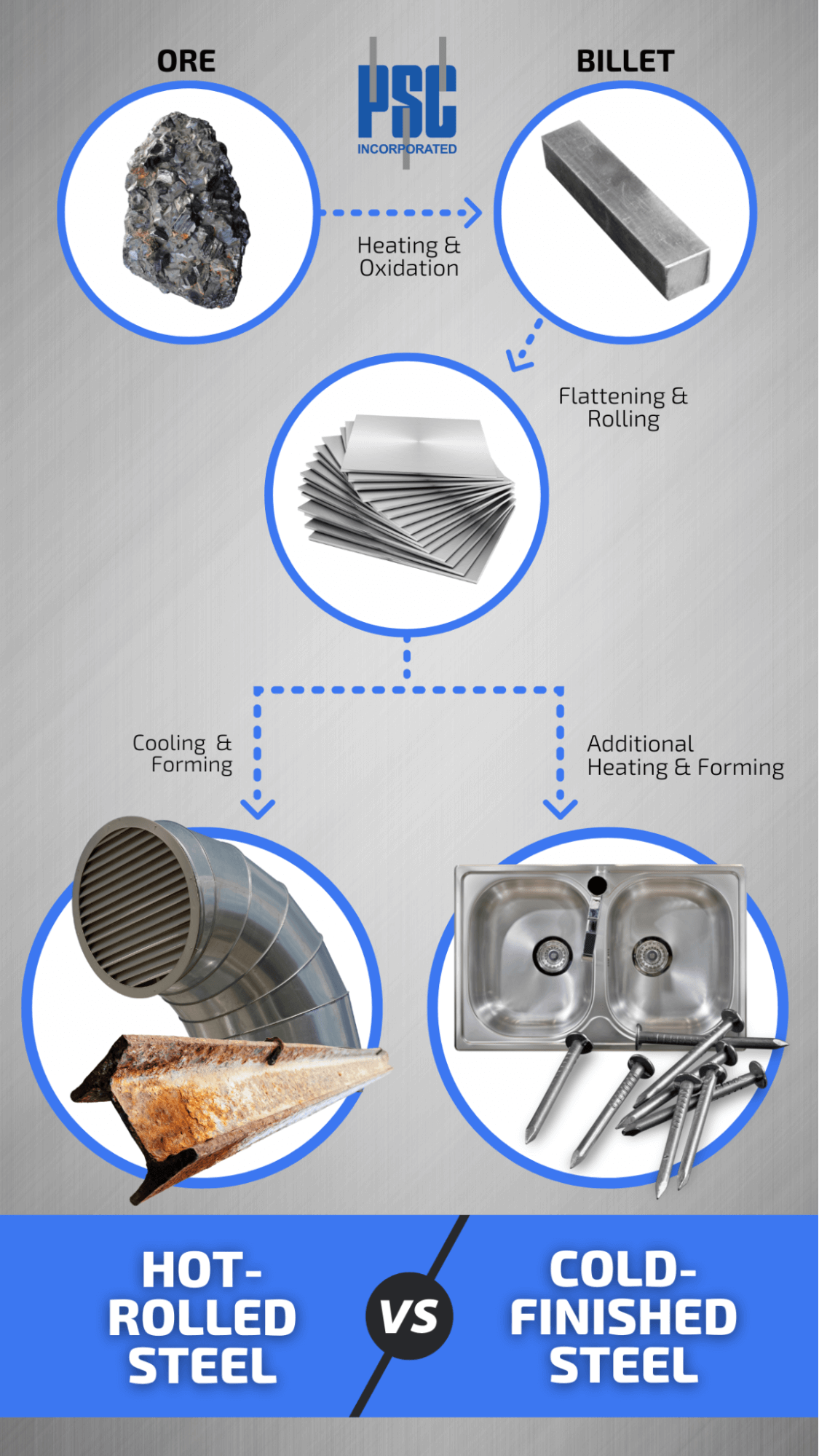
Not to be mistaken with the four main types of steel, the general steel manufacturing process falls into two main categories: hot-rolled and cold-rolled. This process starts with the extreme heating and consequent oxidation of mined steel ore. Basically, pieces of large, rectangular metal called billets are heated and flattened into sizable rolls. 

From there, the steel will either be hot rolled or cold rolled for its finalized design. “Rolling” refers to the vital step in the manufacturing process that involves forming the metal by using a series of rollers in an attempt to reshape it or enhance its properties. This formation method (hot or cold rolling) will determine the material’s ultimate function.

Hot Rolled vs Cold Rolled Finish Process

"In the conversation about hot-rolled vs. cold-finished products, all cold-finished products are hot-rolled, but hot-rolled products are not necessarily cold finished. Instead, it’s all a matter of how the bars are processed."

Once steel is heated past its recrystallization temperature (over 1700º F) it can be easily formed and sized. If the material isn’t processed further at room temperature, it’s considered hot-rolled. The steel that goes through further refinement processes is categorized as cold-rolled. Explore further metal rolling methodology differences, capabilities, and tolerances below!

Hot-Rolled Steel

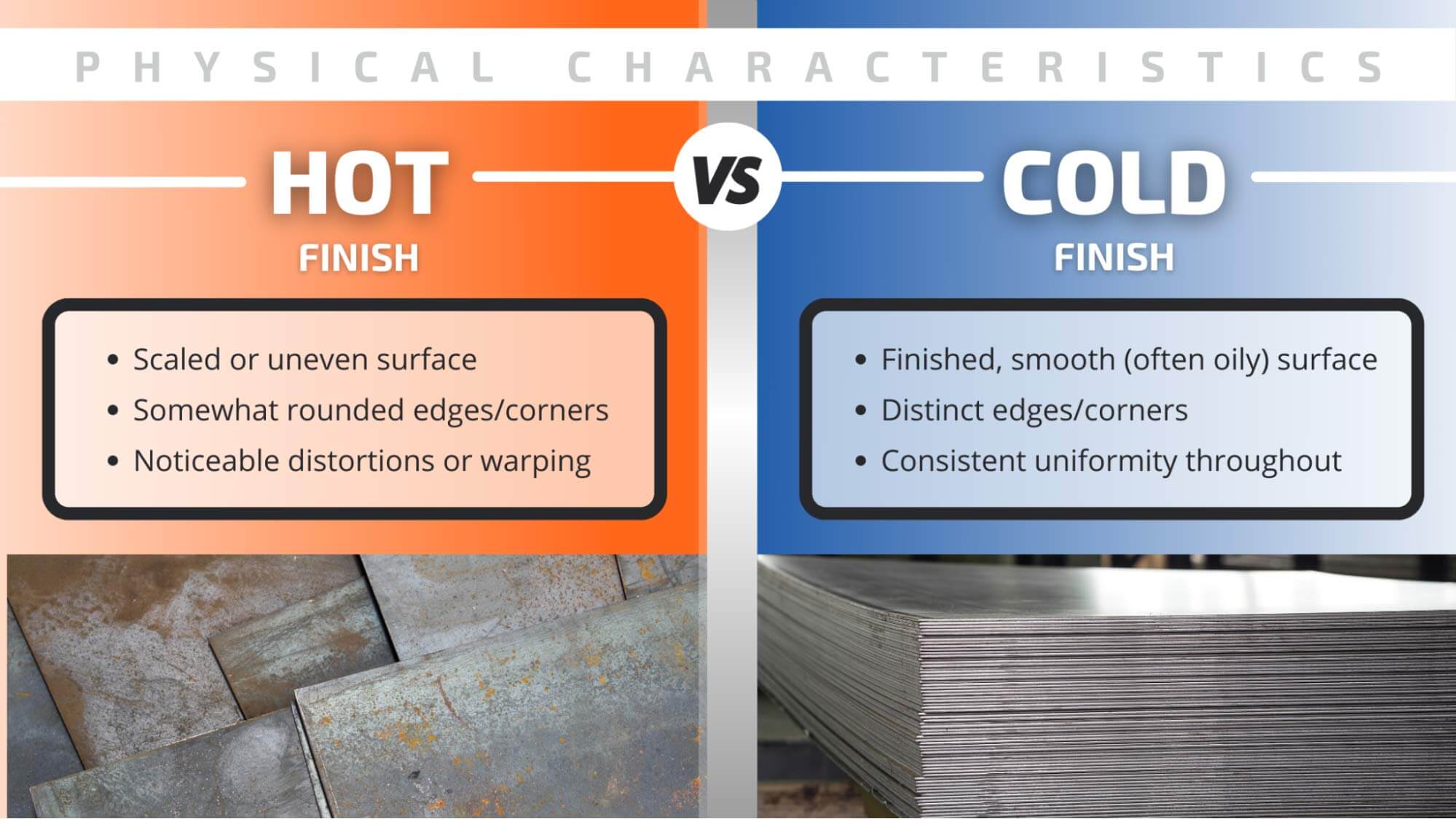
As hot-rolled steel cools, it tends to shrink and form asymmetrically, allowing for more variation in shape and size. For this reason, hot-rolled steel is used in projects where the finished product doesn’t have specific dimensional requirements.

For example, one of the most commonly recognized forms of hot-rolled steel is sheet metal, which is frequently used in creating air ducts and motor vehicles. In these applications, surface finish and proportions don’t need to be precise.

As a result, hot-rolled steel is typically cheaper in price simply because it doesn’t involve any further processing. Since it doesn’t require any reheating, production costs for hot-rolled steel are much lower.

Cold-Finished Steel

That being said, cold-rolled steel needs reheating to further refine its structural properties. In order to achieve more exact dimensions and surface quality, the metal is re-rolled at a lower temperature. This supplemental rolling results in more specified attributes including exterior finish, durability, and dimensional parameters. 

PA Steel, for example, carries a variety of cold-finished bars in a range of grades and finishes for businesses all over the eastern United States. This equipment is used for creating products such as furniture, garages, and home appliances.

Although it’s typically up to 20% more durable than hot-rolled, cold-finished steel is limited to basic square, round, and flat shapes. Despite its improved resistance, the additional processing performed on cold-rolled metals may make it more susceptible to internal stress. Finalized materials need to be stress relieved prior to grinding or cutting to avoid potentially volatile warping or distortion.

Determining the Appropriate Steel Type

When considering hot vs cold rolled steel, the last step in the manufacturing process will influence the final product’s application. If tolerance, surface finish, symmetry, straightness, or aesthetics are a key factor in the project’s creation, cold-rolled steel is likely the ideal choice. Conversely, hot-rolled steel can be used for large-scale or low-budget operations that can account for dimensional changes as it cools.

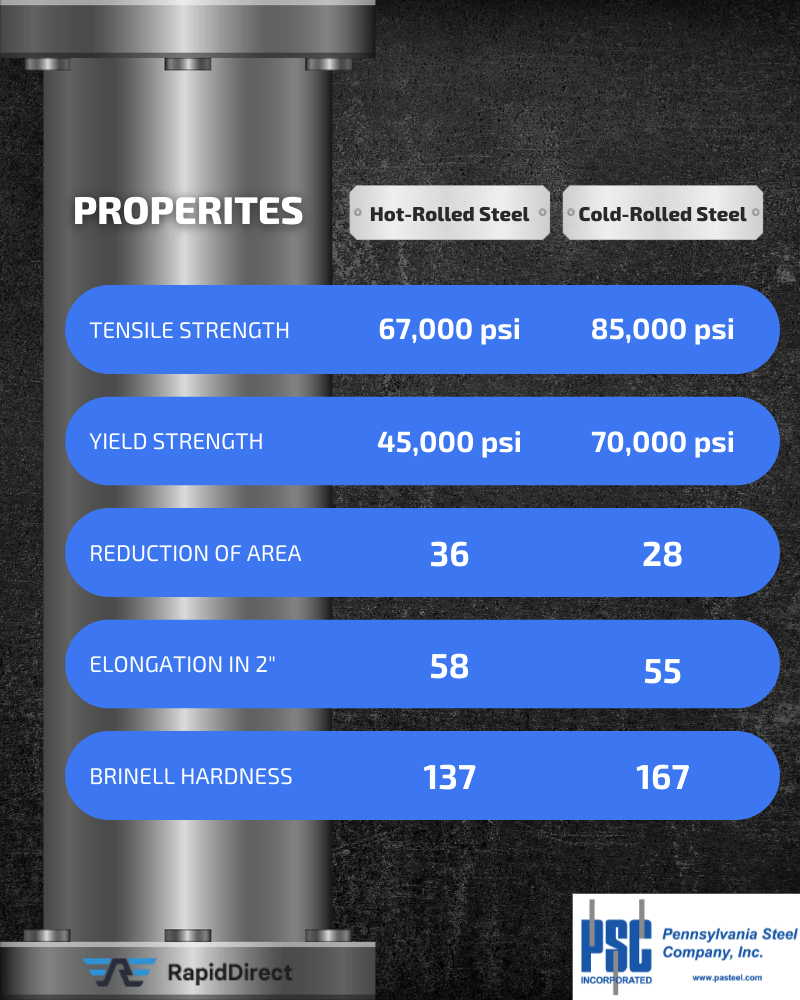
Tolerance Variety

The table below outlines the varying tolerances of hot-rolled vs. cold-finished steel products:

Data source: rapiddirect.com/blog/hot-rolled-vs-cold-rolled-steel

Frequently Asked Questions

What are the environmental implications or sustainability factors associated with hot-rolled and cold-finished steel production processes?

The environmental implications of hot-rolled and cold-finished steel production processes differ significantly. Hot-rolled steel production generally consumes more energy due to the high temperatures involved, leading to higher greenhouse gas emissions. On the other hand, cold-finished steel may require more processing steps, potentially consuming more resources, but it can offer energy savings by not needing the extreme heat of hot rolling. Sustainability factors can vary depending on factors such as energy efficiency, material wastage, and water usage in each process.

How do the mechanical properties, such as strength, ductility, and toughness, differ between hot-rolled and cold-finished steel products?

The mechanical properties of hot-rolled and cold-finished steel products vary due to the different manufacturing processes. Hot-rolled steel typically has a rougher surface finish and less precise dimensions compared to cold-finished steel. Cold-finished steel tends to have improved dimensional accuracy, smoother surfaces, and higher tensile strength. Cold-finished steel may also exhibit better ductility and toughness compared to hot-rolled steel, making it more suitable for applications requiring precise dimensions and enhanced mechanical properties.

Are there specific industries or applications where cold-finished steel is preferred over hot-rolled steel and vice versa?

The preference for either cold-finished or hot-rolled steel in specific industries or applications depends on various factors. Cold-finished steel is often favored in industries requiring tight tolerances, excellent surface finish, and precise dimensional control, such as automotive manufacturing, aerospace, and construction. Hot-rolled steel is commonly used in structural applications where exact dimensions are less critical, such as in building construction, shipbuilding, and general fabrication. Understanding the requirements of the application, including factors like cost, aesthetics, and mechanical properties, helps in choosing the most suitable steel type for a particular industry or project.

Premium Steel and Pipe Supply From Pennsylvania Steel, Co.

Visit our new and improved website to browse our selection of high-quality products, including several varieties of cold and hot-rolled steel, plus carbon tubing, stainless steel, finished bars, and more. PA Steel Company employs an expert team of industry professionals that are prepared to supply you with the ideal metal for any size project. Browse our steel companies in Ohio, Pennsylvania, Richmond, Charlotte, Long Island, and more!

If you’re still having trouble figuring out the ideal steel production process for your project, check out our FAQ page or request a quote online today!

Aluminum hubcaps hanging on the wall

How to Polish Aluminum

Commonly used in appliances, car wheels, and cookware, aluminum is incredibly versatile. At the same time, the metal is prone to discoloration and corrosion, both of which can damage its finish. Fortunately, with polishing, you can keep an aluminum finish looking great long into the future.

Today, we’re here to share everything you need to know about polishing aluminum, including recommended materials, safety tips, and step-by-step instructions.

Aluminum Polishing Benefits

There are many reasons to polish aluminum, such as:

1. Appearance

You can remove nicks, scratches, and other aluminum defects with polishing, resulting in a smooth surface. Plus, polishing can give the metal a clean, professional look. 

2. Durability

Aluminum polishing can help improve the durability of the metal’s surface, reducing the risk of contamination and oxidation. 

3. Corrosion Resistance

Polishing provides corrosion resistance, as it helps make the surface of aluminum more resistant to chemical reactions. 

Many aluminum distributors understand the ins and outs of polishing aluminum. Of course, with the right supplies, you can polish aluminum on your own. 

Aluminum Polishing Supplies

Here are the supplies you’ll need to polish aluminum:

  • Aluminum pre-cleaning product
  • Aluminum polish
  • Protective eyewear and gloves 
  • Masking tape 
  • Mild dish detergent 
  • Stiff wire brush or fine steel wool 
  • Sandpaper in various grits 
  • Polishing compound 
  • Clean cloths or paper towels
  • Orbital sander

These supplies will help you quickly and efficiently polish aluminum, protect yourself and others from chemical and equipment hazards, and limit the risk of mistakes. 

How to Polish Aluminum to Mirror Finish

You can polish aluminum in three steps:

1. Clean the Metal

Remove dirt and grime from your aluminum. With minor buildup, use a mild detergent. Wash the surface, rinse it, and dry it with a clean cloth or paper towel. 

If there’s still buildup on the surface, you may need to use a commercial aluminum pre-cleaning product. Once you apply this product, let it sit for a few minutes to loosen the buildup, then rinse it off. Repeat the process if buildup remains. You can also use a stiff wire brush or fine steel wool to remove debris. 

You won’t always be able to remove severe discoloration, scratches, and other surface flaws with cleaning or polishing. If you want to remove these blemishes from the surface of your aluminum before you polish it, you may need to sand them down. 

2. Sand the Metal

Before you start sanding, apply masking tape to the areas of your aluminum you don’t want to sand. Along with this, put on protective eyewear and gloves.

With sanding, begin with a low-grit sandpaper and work toward a finer grit. In many instances, a 320-grit abrasive works well. If you’re dealing with deep pits or gouges, you may want to go with a grit in the 180 to 250 range. Generally, you should not go below a 180-grit abrasive since it may damage your metal’s appearance. 

In terms of the grit to use when you sand the surface, work your way up. For example, you may start with a 320-grit abrasive to remove blemishes. Next, you can move up to a 400-grit abrasive to further prepare your metal for polishing. Depending on your project, you may want to go as high as 1,500 grit. 

3. Polish the Metal

If you want to polish an aluminum pan or any other metal surface that will have food on it, make your own polishing compound instead of using a product that’s made from chemicals. You can make this compound by combining equal parts of water and white vinegar or water and cream of tartar (potassium bitartrate). 

Apply a small amount of aluminum polish to the surface of your metal. Then, with a clean paper towel or cloth, wipe the surface using small, circular motions. 

After you remove the polishing residue, use another clean paper towel or cloth to buff the surface. When you do, use the same small, circular motions as before. 

For a large polishing job, you can use an angle grinder with an airway or muslin buffing wheel in lieu of completing the work by hand. When you use this tool, buff each section of aluminum and add more polishing compound as needed. When you’re finished, wipe down the polishing residue from the surface and change your grinder’s buffing wheel.

When you use a grinder with a buffing wheel for aluminum polishing, start with a coarse abrasive. For instance, you can begin with a gray metal buffing compound bar, move on to a brown tripoli, and finish with a white rouge buffing compound to give your aluminum a mirror finish. 

Aluminum Polishing Safety Tips

Use personal protective equipment (PPE) when you polish aluminum. Protective eyewear and gloves protect your eyes and hands when polishing chemicals and equipment. You can also protect exposed skin from the absorption of chemicals or metal with a barrier cream. 

If you are working in an enclosed space, you may need respiratory protection. This helps prevent inhalation of chemical fumes or metal dust. 

Additionally, tools used to grind and polish aluminum can be noisy, so you may want to wear earplugs or earmuffs to protect against noise hazards. 

Lastly, as you search for tools you can use to polish aluminum, consider their safety features. Tools are available with variable-direction exhausts, which allow you to direct toxic fumes away from you while you work. You can pick up handheld tools with shock-resistant handles to protect against vibration and hand fatigue. There are even tools with ground fault circuit interrupters (GFCI) that help prevent electric shock.

Want Aluminum for Your Next Project?

In addition to providing tips and tricks for how to polish aluminum, Pennsylvania Steel Company serves as one of the leading aluminum suppliers in the northeast.

We offer a wide range of aluminum products for projects. We have multiple Pennsylvania, Southeast, Northeast, and Ohio aluminum distribution warehouses. Contact Pennsylvania Steel for aluminum near you.

Stainless steel in various steel grades

300 Series vs. 400 Series Stainless Steel: Key Differences to Keep in Mind

Stainless steel is an important building material in industries across the world. If you’re already confident that stainless steel is proper type of steel for your project, the next step is to understand how stainless steel grades can differ and what unique qualities they can offer for different projects.

Today, the steel experts at Pennsylvania Steel Company, which offers products such as tool steel, sheet steel, and plate steel, are breaking down two of their most popular grades, 300 series stainless steel and 400 series stainless steel. Keep reading to learn what makes them different and which you should choose for your project.

What are Stainless Steel Grades?

Stainless steel, at its basic level, is an alloy of chromium and iron. In addition to these metals, stainless steel may also include elements like: 

  • Carbon
  • Nickel
  • Manganese
  • Nitrogen
  • Sulfur
  • Copper

Stainless steel grades are determined by which elements they contain and the percentage of each present. Based on this, the alloy can take on different properties that make it suited for various applications.

The Society of Automotive Engineers (SAE) developed the three-digit grading system for stainless steel to reflect the elements present. 300 series and 400 series contain varying compositions reflected by the last two digits in the grade.

Other organizations, like the American Society for Testing and Materials (ASTM), have their own numbering systems to categorize stainless steel. But this article will focus on the three-digit classification for simplicity.

While over 150 stainless steel grades are available on the market, Pennsylvania Steel Company specializes in 300 series and 400 series stainless steel.

Although all stainless steel offers high durability and resistance to rust and corrosion, there are some critical differences between the 300 series and 400 series that you should remember when choosing which is suitable for your project.

What is 300 Series Stainless Steel?

300 series stainless steel, also called SS 300, is the most popular stainless steel grade on the market. Due to its nickel content, SS 300 is non-magnetic and highly corrosion-resistant – even more so than other stainless steel grades. It also has high heat resistance, making it ideal for use in industries like:

  • Automotive production
  • Aerospace engineering
  • Construction
  • Machinery

While 300 series stainless steel is not heat-treatable like other grades, its high versatility makes it an excellent choice for projects that need to withstand long stretches of use in corrosive environments.

What is 400 Series Stainless Steel?

400 series stainless steel, or 400 SS, is made with little to no nickel content compared to its 300 series counterpart. While this makes it susceptible to rust under certain conditions, it also gives it superior toughness and resistance to damage from wear and abrasions.

400 SS used to make kitchen equipment

Because of its robustness and high durability, 400 SS finds much of its use in:

  • Tools
  • Kitchens and culinary services
  • Agriculture
  • Furnaces

 While it lacks the top-shelf rust resistance of the 300 series, 400 series stainless steel is both heat-treatable and magnetic, making it ideal for manufacturing objects that experience daily use and manipulation.

300 vs 400 Series Stainless Steel

Now that we’ve looked at what makes them unique, let’s review how 300 series and 400 series stainless steel grades compare side-by-side.

Composition

300 series contains nickel, making it more resistant to corrosion. 400 series has a higher carbon content, which makes it more resilient but more prone to rust.

Strength

300 series is more ductile than the 400 series and has less resistance to surface wear and tear. This makes the 300 series more suitable for sensitive applications like surgical instruments or machinery, whereas the 400 series’ hardness makes it ideal for hand tools or agricultural use.

Price Point

The 300 series is not heat-treatable, so it can be more expensive to manufacture. Due to this, the 400 series can be a more cost-effective option when there is a lower risk of exposure to corrosive elements.

Frequently Asked Questions

How do I determine the exact percentage of each element in a specific grade of stainless steel, and how does this influence the material’s properties?

To determine the exact percentage of each element in a specific grade of stainless steel, it’s essential to refer to the standards set by organizations like the Society of Automotive Engineers (SAE) or the American Society for Testing and Materials (ASTM). These organizations provide detailed specifications for each stainless steel grade, including the composition and percentage of elements.

The specific makeup of a stainless steel alloy influences its properties significantly. For instance, higher nickel content in the 300 series enhances corrosion resistance and ductility, making it suitable for environments where these properties are crucial. On the other hand, a higher carbon content in the 400 series increases hardness and strength, making it ideal for tools and applications where wear resistance is important. Understanding the composition of a stainless steel grade can help you select the right material for your project, ensuring it meets the desired durability, corrosion resistance, and mechanical properties.

Are there any environmental considerations or benefits in choosing one series over the other for a project?

When considering the environmental impact of choosing between the 300 and 400-series stainless steel for a project, several factors come into play. The material’s production process, recyclability, and longevity all contribute to its environmental footprint. Stainless steel, in general, is highly recyclable, which reduces its long-term environmental impact. However, the nickel content in the 300 series, while enhancing corrosion resistance and making it more suitable for harsh environments, also involves more complex and potentially environmentally intensive mining and processing compared to the materials used in the 400 series. On the other hand, the durability and corrosion resistance of the 300 series may lead to longer product life, potentially reducing the need for replacement and, consequently, the environmental impact associated with production and disposal. Ultimately, the choice between the two series should consider the specific application’s environmental conditions and the material’s lifecycle impact.

How does the magnetism of the 400 series stainless steel affect its use in certain applications compared to the non-magnetic 300 series?

The magnetism of the 400 series stainless steel, attributed to its composition, makes it ideal for applications requiring magnetic responsiveness, such as in motors, generators, and electrical appliances. Conversely, the non-magnetic 300 series is preferred in settings where magnetic interference must be avoided, like in medical equipment used during MRI procedures or in certain electronic devices to prevent circuitry interference. The choice between the two series often hinges on the specific application’s need for or against magnetic properties, influencing their suitability across various industries.

Let Pennsylvania Steel Company Build with You!

Pennsylvania Steel Company has been a trusted provider of stainless steel products for over 50 years. Our company is dedicated to providing total care and attention to each customer’s needs, and we offer next-day service in most of our locations. 

If you’re ready to begin your next project, request a quote online or call one of our steel companies in Ohio, Pennsylvania; Bethpage, NY; Naugatuck, CT; Stanley, NC; or Ashland, VA for more information about our wide variety of 300 series and 400 series stainless steel products!

Aluminum vs steel

Aluminum vs Steel: Which is Better for Your Project?

The steel vs aluminum debate is ongoing. If you’re getting ready to kick off a construction project, there are pros and cons to using either of these metals. To help you determine which metal you should select in the aluminum vs steel debate, we’ve put together a list of five factors to consider. 

1. Corrosion Resistance

A metal’s corrosion resistance refers to its ability to withstand the elements and other conditions without changing. 

Generally, aluminum offers better corrosion resistance than steel. There are several reasons why. 

First, aluminum oxidizes in the same way iron rusts. However, when this happens, aluminum oxide remains on the metal. This helps protect aluminum against corrosion. It also means you won’t have to add paint or another coating to shield your aluminum from rusting. 

Meanwhile, after you spin carbon steel, you may need to paint it to safeguard the metal against corrosion and rust. And in many instances, zinc is used to guard against corrosion when this type of steel is galvanized. 

Comparatively, stainless steel protects against corrosion but can still rust. If this type of steel rusts, you may be able to scrub away the damage. At this point, the steel’s chromium shield will start to rebuild itself. 

2. Strength 

In terms of strength, steel is the superior choice over aluminum. 

Steel is harder, denser, and heavier than aluminum. These things help make it less likely that steel will bend when exposed to heat or force.

Due in part to its strength and weight, automakers commonly use steel to manufacture cars. However, some car companies have used aluminum, which helps them build lightweight frames that promote fuel efficiency.

3. Malleability

If you want a flexible metal, aluminum may be better than steel. 

Aluminum offers plenty of design freedom, giving you the flexibility to form the metal into a wide range of custom configurations. 

If you try to form these same configurations with steel, the metal may break due to its stiffness. 

4. Cost

Steel and aluminum prices change frequently, since both metals are constantly in demand. 

In many instances, steel is more affordable than aluminum. 

For example, you may pay less for mild or carbon steel than aluminum. 

On the other hand, stainless steel may cost more than aluminum. 

Along with these things, it may be more economical to create a custom shape or profile out of aluminum than trying to do the same thing with steel. 

5. Weldability

Welding may be more challenging with aluminum versus steel. 

Common ways to weld steel include:

  • Stick Welding: Involves the use of a flux-coated electrode.
  • Metal Inert Gas (MIG) Welding: Requires a continuous solid electrode wire that’s heated and put into a weld pool via a welding gun. 
  • Gas Tungsten Arc Welding (GTAW): Lets you use a tungsten electrode to join steel and other metals.
  • Flux Core Welding: Consists of a wire electrode that goes from a welding gun through a joint.

With any of these steel welding methods, applying too much heat may impact the quality of your results. 

Much in the same vein, welding aluminum may be difficult because the metal is highly sensitive and protected by an oxidized layer. These may make aluminum susceptible to impurities and lead to weak welds. 

If you want to weld aluminum, preparing your metal is key. Here are things you can do to get aluminum ready to weld:

  • Apply an acetone or other mild solvent to remove grease, oil, or other impurities from the metal’s surface. 
  • Utilize a stainless steel brush to get rid of surface oxides.
  • Make sure your aluminum is dry and stored at room temperature. 

MIG and GTAW are two of the most commonly used methods for welding aluminum. 

In addition to these, you may be able to use laser beam and electron welding, which allows you to apply a precise amount of heat to a specific zone. 

You may also perform resistance welding, which enables you to apply pressure and pass a current through areas of the metal you want to join. 

How to Choose Metal for Your Project

If you are debating between aluminum vs stainless steel or similar metals, there is no shortage of options at your disposal. 

Here are tips to help you select the best metal for your project:

  • Determine the Application: Think about your project’s purpose, and you can narrow your search to metals that’ll help you achieve your desired results. 
  • Put Together a Budget: Figure out how much money you have to spend, as this may dictate the type of metal you use and other aspects of your project. 
  • Connect with Steel and Aluminum Distributors: Find a distributor to get insights into metal products so you’ll be well-equipped to make an informed decision.  

Pennsylvania Steel Company is an aluminum and steel distributor that offers an extensive collection of products from our regional warehouses across Pennsylvania, New England, the Southeast, and Ohio.

Our team can help you choose between aluminum and steel and find metal products that deliver long-lasting results. 

Contact Pennsylvania Steel to purchase aluminum or steel products in your area.